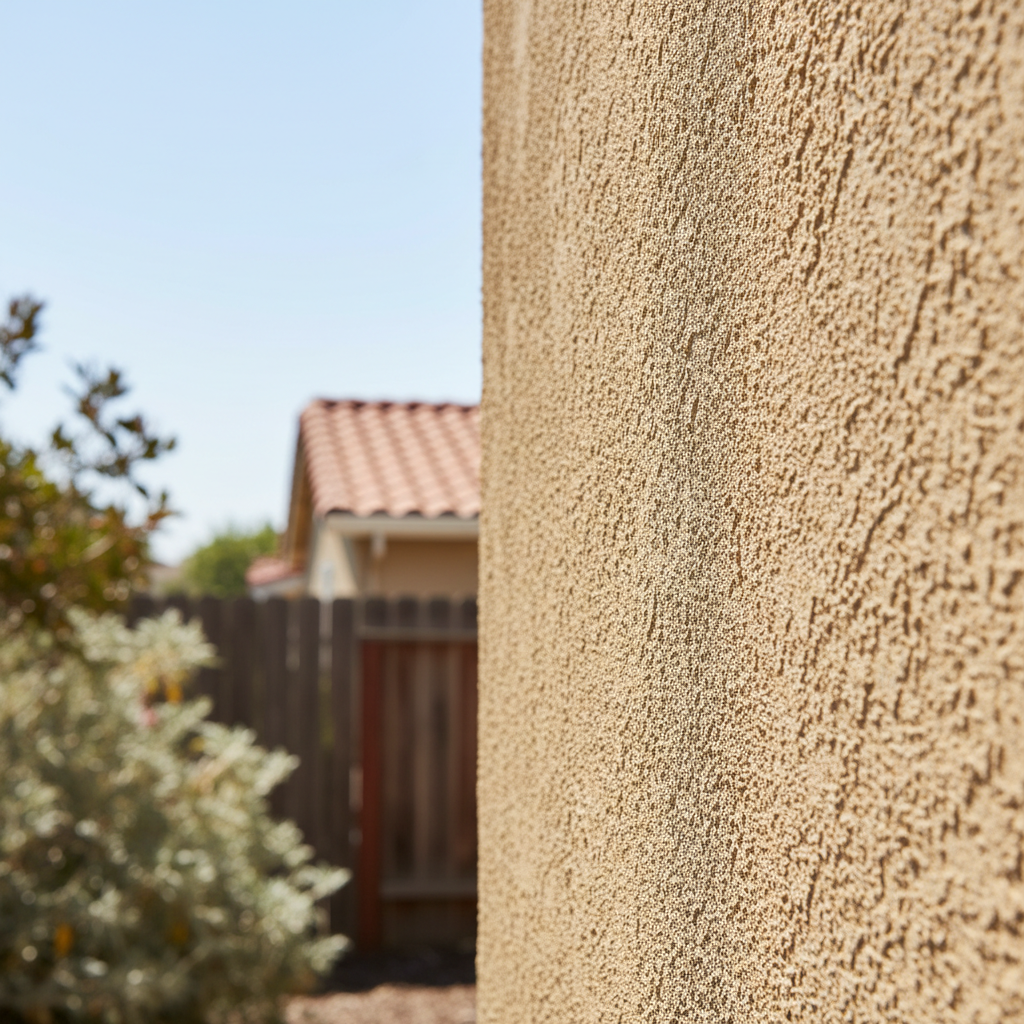
You've got questions about your home's stucco, and I've got answers. Over the years, working on homes all over Santa Clara, from the older neighborhoods near the University to the newer builds out by Levi's Stadium, I've heard pretty much every concern you can imagine. People want to know what's going on with their walls, and they deserve straight talk. So, let's dive into some of the most common things folks ask me about stucco repair and maintenance.
What's the difference between a crack that's just cosmetic and one that's a real problem?
This is probably the most common question I get. Not all cracks are created equal, and it's easy to get worried when you see one. Generally, hairline cracks – those super thin ones, often looking like a spiderweb – aren't usually a structural issue. They're often just surface shrinkage or minor expansion/contraction from temperature changes. We see a lot of that here in Santa Clara with our warm summers and cooler, damp winters. You'll want to keep an eye on them, but they're not typically an emergency.
The cracks you really need to pay attention to are those that are wider than a credit card, or if they're running horizontally or diagonally across a large section of your wall, especially near windows or doors. If you can stick a dime into a crack, that's a red flag. Also, look for cracks that are actively growing, or if you see water staining around them. Those can indicate bigger problems, like foundation movement, framing issues, or significant moisture intrusion, and you'll want to get those checked out by a pro like us at Santa Clara Stucco & Plastering pretty quickly.
How often should I be inspecting my stucco for damage?
You should really be giving your stucco a good once-over at least twice a year. I tell folks to do it in the spring after the winter rains, and then again in the fall before the wet weather starts up. Think of it like checking your car's tires – a little regular attention can prevent a big headache down the road. Walk around your house, get up close. Look for those cracks we just talked about, but also keep an eye out for any discoloration, bubbling, or soft spots. If you see any areas where the stucco looks like it's separating from the wall, or if there are any signs of mold or mildew, especially on the north-facing sides of your house that don't get as much sun, those are things you'll want to address.
Can I just patch a small hole or crack myself, or do I always need a professional?
For very small, superficial hairline cracks or tiny dings, you *can* probably handle it yourself with a good quality stucco patch kit from the hardware store. Just make sure you clean the area thoroughly, follow the product instructions, and try to match the texture as best you can. The key word there is