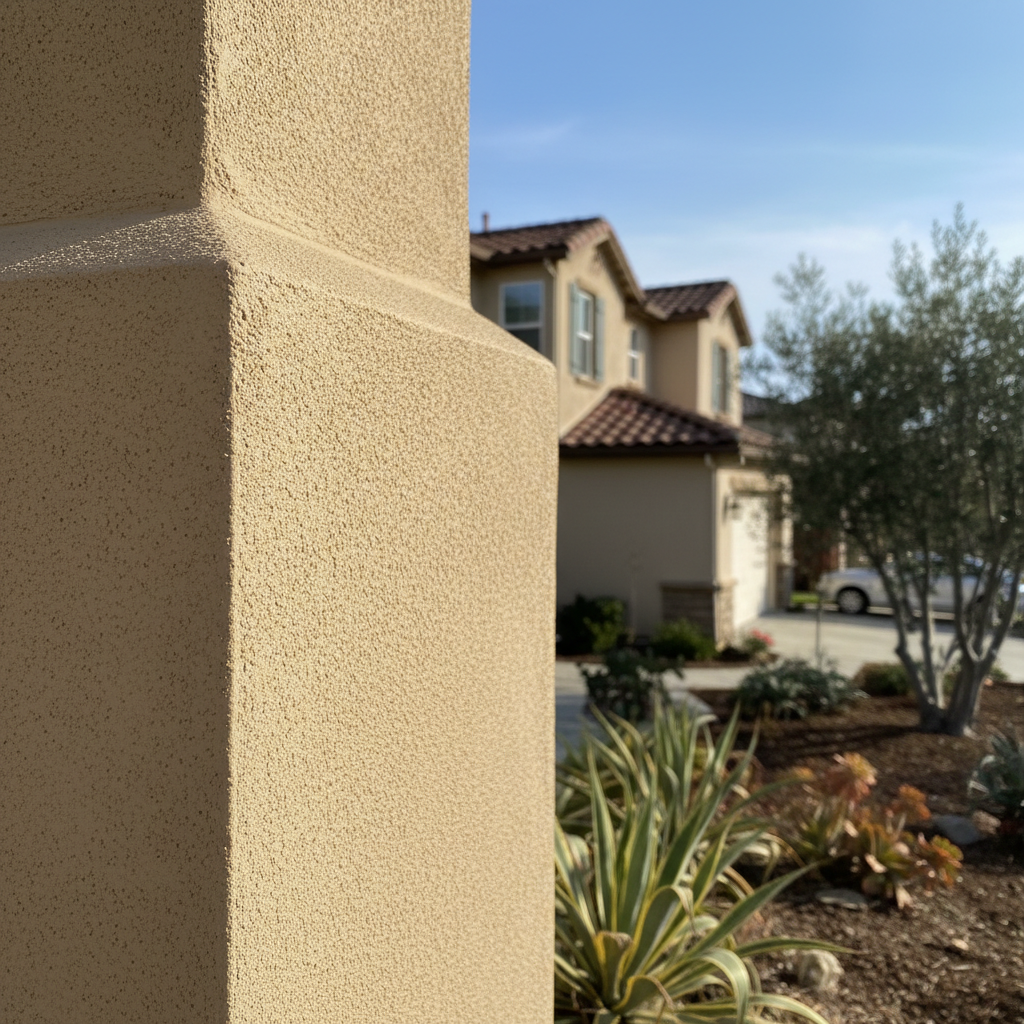
Is Stucco a Good Choice for Santa Clara Homes?
Absolutely, it's one of the best. You see stucco everywhere in Santa Clara, from the old bungalows near the University to the newer developments on the west side of town. It just works here. We get plenty of sun, and stucco handles that heat really well, keeping your home cooler inside. It's durable, fire-resistant, and with proper installation, it'll last you decades. Plus, it gives your house a clean, classic look that fits right in with the California aesthetic. I've been working with stucco in this area for years, and I wouldn't recommend it if I didn't truly believe in it for our local climate.
How Long Does a Stucco Installation Project Usually Take?
That's a common question, and honestly, it varies a lot depending on the size of your house and the complexity of the job. For an average-sized single-family home here in Santa Clara, say around 1,500 to 2,000 square feet, you're usually looking at anywhere from two to four weeks from start to finish. That includes prep work, applying the multiple coats, and letting each one cure properly. We can't rush the drying times, especially for the scratch and brown coats, because that's crucial for the stucco's strength and longevity. If we're also doing things like replacing windows or doors, or if there's old siding to remove, that'll add some time. We always give you a clear timeline upfront so you know what to expect.
What's the Difference Between Traditional Stucco and Synthetic Stucco?
Good question, because they're definitely not the same thing, even though they look similar on the surface. Traditional stucco, what we usually call hard-coat stucco, is made from cement, sand, lime, and water. It's applied in multiple layers – a scratch coat, a brown coat, and then a finish coat. It's incredibly hard, durable, and breathable, which is great for managing moisture. Synthetic stucco, or EIFS (Exterior Insulation and Finish Systems), is a multi-layered system that includes an insulation board, a base coat with a fiberglass mesh, and then a finish coat. It's lighter, offers better insulation, and has more flexibility, which can help with minor cracking. The biggest difference I see is in how they handle water. Traditional stucco is more forgiving if water gets behind it because it can breathe and dry out. EIFS needs to be installed perfectly with excellent flashing and drainage to avoid moisture issues. For most homes around here, I lean towards traditional stucco unless a client specifically wants the insulation benefits of EIFS and understands the maintenance requirements.
How Much Does New Stucco Installation Cost in Santa Clara?
This is probably the most asked question, and it's tough to give a one-size-fits-all answer without seeing the job. Generally, stucco installation costs are calculated per square foot. In Santa Clara, you can expect to pay anywhere from $8 to $15 per square foot for a full traditional stucco installation, and sometimes more for complex jobs or premium finishes. That price includes materials, labor, scaffolding, and all the necessary prep work. Things that can drive the price up include: intricate architectural details, multiple stories, extensive repairs needed on the existing substrate, or if you choose a specialized finish like a Venetian or a custom color mix. It's an investment, but remember, good stucco adds significant value and protection to your home for many years.
What Kind of Maintenance Does Stucco Require After Installation?
One of the best things about stucco is how low-maintenance it is. Once it's properly installed by a company like Santa Clara Stucco & Plastering, you don't have to do much. The main thing is to keep it clean. A gentle power wash every few years can remove dirt, dust, and any mildew that might build up, especially on the north-facing walls that don't get as much sun. Just be careful not to use too high a pressure setting; you don't want to damage the finish. Also, keep an eye out for any cracks. Small hairline cracks are pretty normal over time as a house settles and temperatures change, but if you see anything larger than a credit card's width, or if you notice water stains, it's a good idea to have us come take a look. Catching issues early prevents bigger problems down the road.
Can I Change My Stucco Color Later On?
Yep, you absolutely can! Most homeowners choose a color when they first get stucco installed, and it's mixed right into the finish coat. But if you decide you want a change five or ten years down the line, you've got options. The easiest and most common way is to simply paint over it. You'll want to use a high-quality exterior acrylic paint specifically designed for masonry or stucco. Make sure the stucco is clean and any cracks are repaired before painting. Another option, though more involved and costly, is a process called fog coating or elastomeric coating. This applies a very thin, pigmented cementitious coating that can refresh the color and even add a bit more protection. It's not a full re-dash, but it's more than just paint. We can discuss which option makes the most sense for your home and budget.
What Happens if My Stucco Gets Damaged? Can it be Repaired?
Of course it can! Stucco is tough, but like anything, it can get damaged. Maybe a tree branch falls on it, or a car bumps into the garage wall, or you get some unexpected moisture intrusion. The good news is that stucco is very repairable. For minor cracks, we can usually patch them up pretty seamlessly. For larger holes or sections of damaged stucco, we'll cut out the bad part, replace the lath if needed, and then apply new stucco layers to match the existing finish and texture as closely as possible. It takes a skilled hand to blend new stucco with old so it doesn't look like a patch job, but that's what we specialize in. Don't leave damage unaddressed, especially if it's letting water into your wall system. Get it fixed promptly to protect your home's structure.