Stucco Replacement: Rip It Off or Go Over It?
Your stucco's definitely seen better days, and now you're staring down a replacement project. Good for you for tackling it head-on! But before you even think about calling someone, you've got a big choice to make: do you go for a full tear-off, stripping everything right down to the sheathing, or just re-stucco directly over what's already there? This question pops up all the time from folks across Santa Clara, from the older places in the Old Quad to the newer builds near Rivermark. There's no single "right" answer, but I can certainly tell you what I've seen work and, frankly, what usually doesn't.
The Full Tear-Off: A Clean Start
Let's talk about the full tear-off first. It's exactly what it sounds like: we completely yank off all the old stucco, right down to the plywood or OSB sheathing. It's a messy job, no two ways about that. Dust, debris, the whole nine yards. But here's why it's often your best bet for the long haul, especially considering our local climate.
Cost & Time
Yeah, it usually costs more upfront. You're paying for demolition, getting rid of all that debris, and then the full installation of a brand-new stucco system. It also takes longer because of that extra demo step. We're talking more labor hours and more material. Don't let that scare you off, though; sometimes spending a bit more now saves you a whole lot more down the road.
Durability & Longevity
This is where the tear-off really shines. When we strip everything off, you get a clean slate. We can inspect the sheathing, fix any dry rot or water damage that might be hiding, and properly put in a new weather-resistive barrier (WRB). That WRB is super important for keeping moisture out, and believe me, with our wet winters and those occasional heavy rains, you really want that protection. A new system, installed correctly from the ground up, will give you the longest lifespan and best performance, typically 30-50 years or even more if you keep up with maintenance.
Maintenance & Appearance
Maintenance is pretty standard for new stucco—just keep it clean, fix cracks quickly. Appearance-wise, you get a perfect finish. No bumps or imperfections from the old layer showing through. You can pick any texture or color, and it'll look exactly the way you imagined.
Re-Stucco (Over Existing Stucco): The Quick Fix?
Now, let's look at re-stuccoing, sometimes called an overlay or skim coat. This means putting a new layer of stucco right over the old one, usually after some prep work like cleaning and applying a bonding agent.
Cost & Time
This is generally the cheaper and faster choice. Less demolition means less labor and less debris to haul away. If your existing stucco looks decent, this can seem like a no-brainer for your wallet and your schedule.
Durability & Longevity
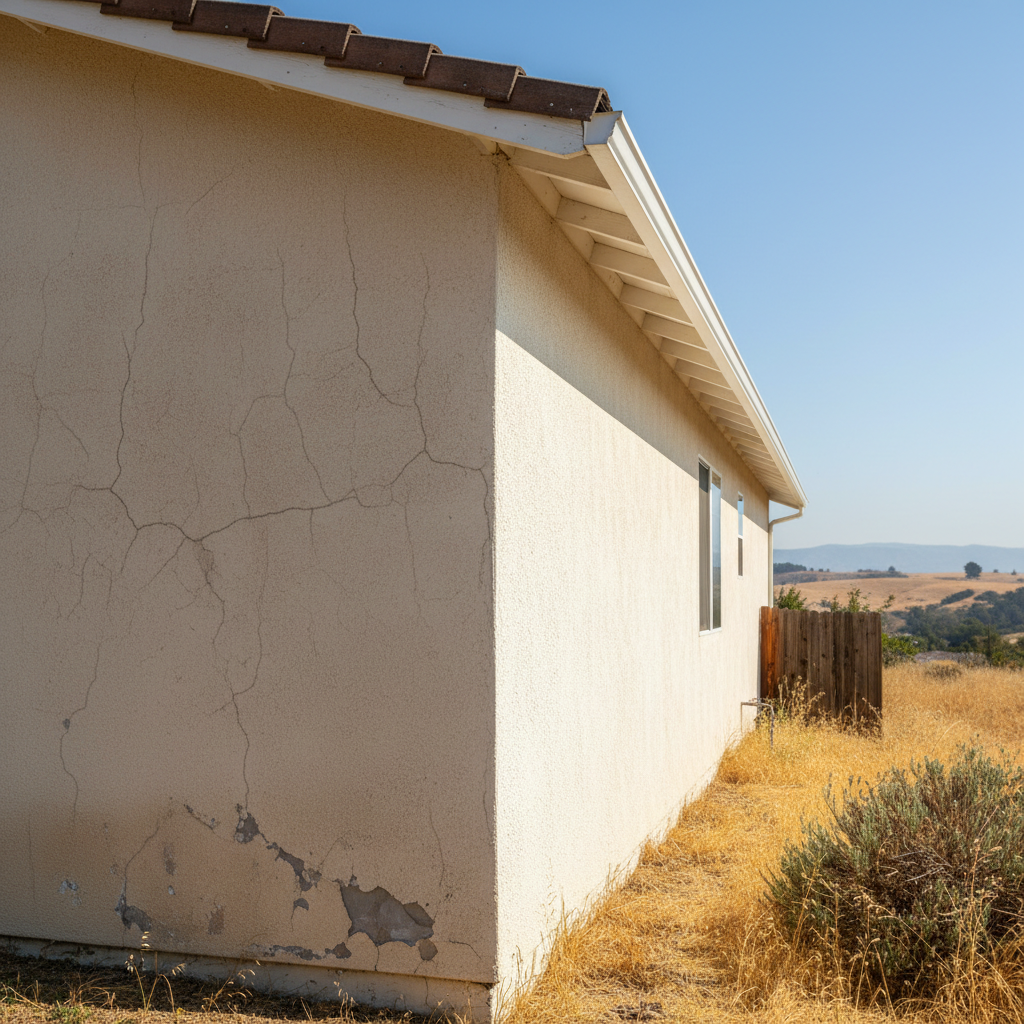
Here's the catch. How long a re-stucco job lasts really depends on the condition of the *original* stucco. If the old stucco has widespread cracking, delamination, or, even worse, hidden moisture damage, simply covering it up is like putting a band-aid on a broken leg. The new layer might stick for a bit, but those underlying issues will eventually show through or keep causing problems. You're adding weight to a system that might already be compromised. I've seen re-stucco jobs fail within 5-10 years because the original stucco wasn't sound. You're looking at maybe 10-20 years of life if absolutely everything goes perfectly, but it's a much bigger gamble.
Maintenance & Appearance
Maintenance is similar, but you might find new cracks appearing sooner if the old stucco keeps shifting or falling apart. It can look good, but if the old stucco had a lot of texture or was uneven, it can sometimes show through the new layer. You're also stuck with the existing profile; you can't really change the wall's flatness or add insulation in the same way.
My Recommendation for Santa Clara Homes
Look, I get it. Everyone wants to save a buck. But when it comes to stucco, especially here in Santa Clara where we deal with everything from coastal humidity to intense summer sun, I almost always recommend a full tear-off. Why? Because you can't fix what you can't see, can you?
We have plenty of homes around here, particularly those built in the 60s and 70s, that are really due for a serious exterior refresh. Many of them might have hidden water intrusion issues around windows or at the foundation line that you'd never even know about until you pull off that old stucco. The last thing you want is to spend good money on a re-stucco only to find out a few years later that you've got dry rot eating away at your wall framing because the original WRB failed years ago.
A full tear-off gives us the chance to properly inspect, repair, and install a modern, sturdy stucco system with a real drainage plane and flashing. This protects your biggest investment for decades. It's the difference between a temporary facelift and a truly healthy, long-lasting exterior. When we do a full tear-off, you know you're getting a solid job from Santa Clara Stucco & Plastering that's built to last.