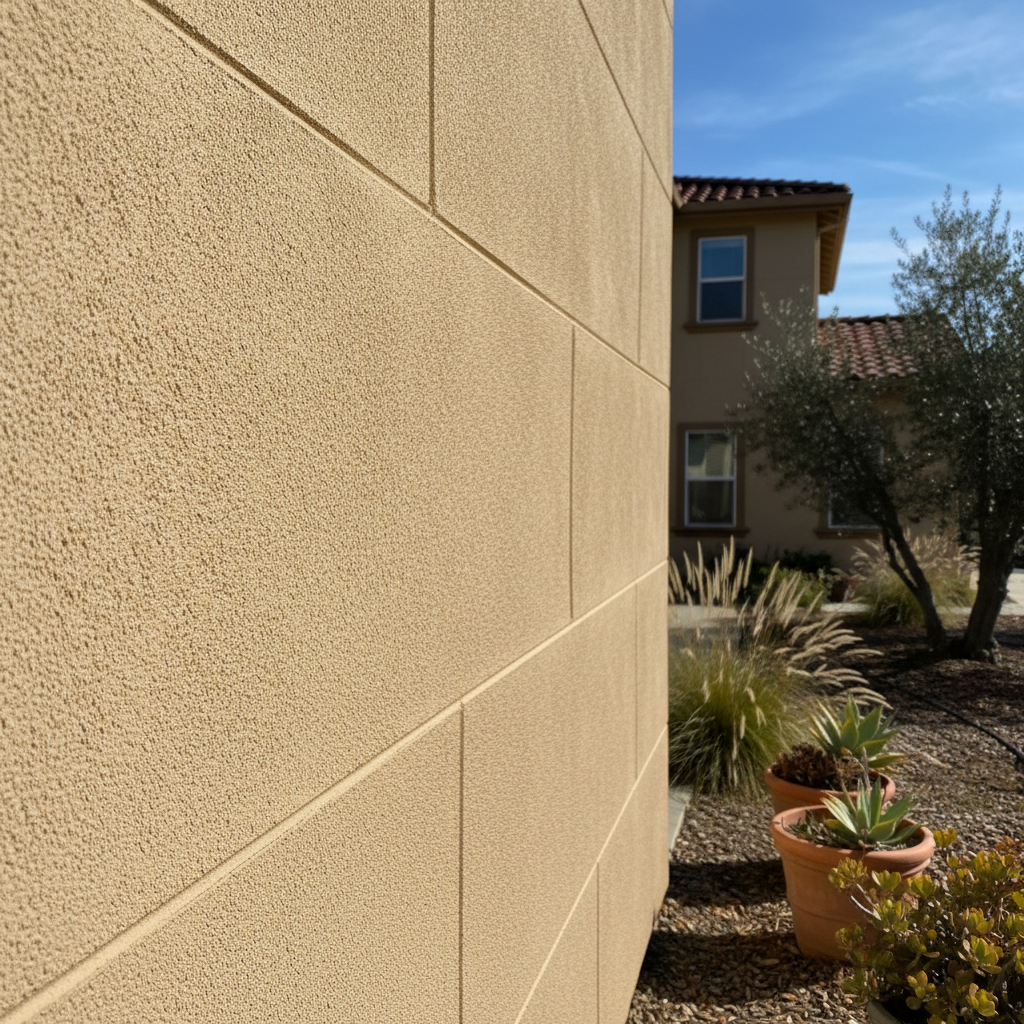
Alright, let's talk EIFS. You've probably heard the term, maybe seen it on a neighbor's house, and now you're wondering if it's right for your place here in Santa Clara. I get a lot of questions about Exterior Insulation and Finish Systems, and honestly, there's a lot of misinformation out there. So, I figured I'd clear some things up directly. Here are the real answers to the questions I hear most often from homeowners like you.
What exactly is EIFS, and how's it different from traditional stucco?
Okay, so EIFS isn't your grandma's stucco, that's for sure. Traditional stucco is a cement-based product, applied in layers, and it's hard as a rock when it cures. It's breathable, letting moisture move through it. EIFS, on the other hand, is a multi-layered system. It starts with an insulation board, usually expanded polystyrene (EPS) foam, that's attached to your wall sheathing. Then, you get a base coat with a fiberglass mesh embedded in it for strength, and finally, a finish coat that gives it its color and texture. The biggest difference? EIFS is designed to be a continuous insulation layer on the outside of your home, making it super energy-efficient. It's also more flexible than traditional stucco, so it's less prone to cracking.
Is EIFS really a good choice for Santa Clara's climate?
Absolutely, it can be. We get some pretty warm summers here in Santa Clara, right? And while our winters aren't brutal, that insulation factor in EIFS really helps keep your home comfortable year-round. It reduces heat transfer significantly, which means your AC won't have to work as hard in July, and your heater won't be constantly kicking on in January. This can translate to some serious savings on your energy bills. Plus, because it's a barrier system, when installed correctly, it's excellent at keeping moisture out, which is good for protecting your home's structure. You just need to make sure you're working with someone who knows what they're doing with the flashing and sealants, especially around windows and doors.
What's the typical lifespan of an EIFS system, and what kind of maintenance does it need?
A properly installed and maintained EIFS system can last a long time, easily 30-50 years, sometimes more. It's durable stuff. As for maintenance, it's actually pretty low-key. You'll want to keep it clean, just like any exterior. A gentle power wash every few years to remove dirt, pollen, and any mildew that might accumulate, especially on north-facing walls that don't get as much sun. The key thing to watch for is impact damage – if something hits it hard, like a stray baseball or a garden tool, it can dent or puncture the system. You'll also want to regularly inspect sealants around windows, doors, and penetrations. If you see any cracking or deterioration in those sealants, get them re-caulked. Catching small issues early prevents bigger problems down the line.
I've heard EIFS can cause moisture problems. Is that true?
This is a big one, and it's where a lot of the bad rap for EIFS comes from. The truth is, early EIFS systems, particularly in the 80s and early 90s, were often installed without a proper drainage plane behind them. If water got behind the system due to faulty flashing or sealant failures, it had no way to get out, leading to rot and mold. This was a design flaw in those older barrier EIFS systems, and often, an installation issue. Modern EIFS, especially what we call 'drainable' or 'water-managed' EIFS, is designed with a drainage plane and weep holes to allow any incidental moisture that gets behind the system to escape. When Santa Clara Stucco & Plastering installs EIFS, we always use these modern, water-managed systems and adhere strictly to manufacturer specifications and building codes to prevent those old problems. It's all about proper installation and detailing.
How much does EIFS installation usually cost compared to traditional stucco?
Generally speaking, EIFS tends to be a bit more expensive upfront than traditional stucco. You're paying for a more complex, multi-layered system that includes insulation, specialized adhesives, and often more intricate detailing. The exact cost will vary a lot depending on the complexity of your home's design, the type of finish you choose, and the current material and labor costs. However, you've got to look at the long game. The energy savings you'll see over the years can often offset that initial higher cost. Plus, you're getting a superior insulation value and a more flexible, crack-resistant finish. It's an investment, but one that pays dividends in comfort and energy efficiency.
Can I match the look of traditional stucco with EIFS?
Absolutely! This is one of the cool things about EIFS. The finish coat is incredibly versatile. You can get pretty much any color you can imagine, and a huge variety of textures. We can mimic the smooth, sand, or even dash finishes you see with traditional stucco. You can also get more elaborate architectural details, like cornices, quoins, and bands, all made from the same EIFS materials. The foam insulation can be cut into almost any shape, giving you a lot of design freedom that's much harder and more expensive to achieve with traditional masonry. So, if you love the look of stucco but want the benefits of EIFS, you're definitely in luck.
What should I look for in a contractor for EIFS installation?
This is probably the most important question you can ask. You don't want just any stucco guy doing your EIFS. Look for a contractor who has specific experience and training in EIFS installation. Ask for certifications from EIFS manufacturers – they often have programs for certified applicators. Make sure they understand and propose using a drainable EIFS system. Ask for references from past EIFS jobs, and actually call them. Check their license and insurance. A good contractor, like us at Santa Clara Stucco & Plastering, will be transparent about the process, explain the system components, and show you how they handle critical details like flashing around openings. Don't go with the cheapest bid; go with the most qualified and reputable one. It makes all the difference.