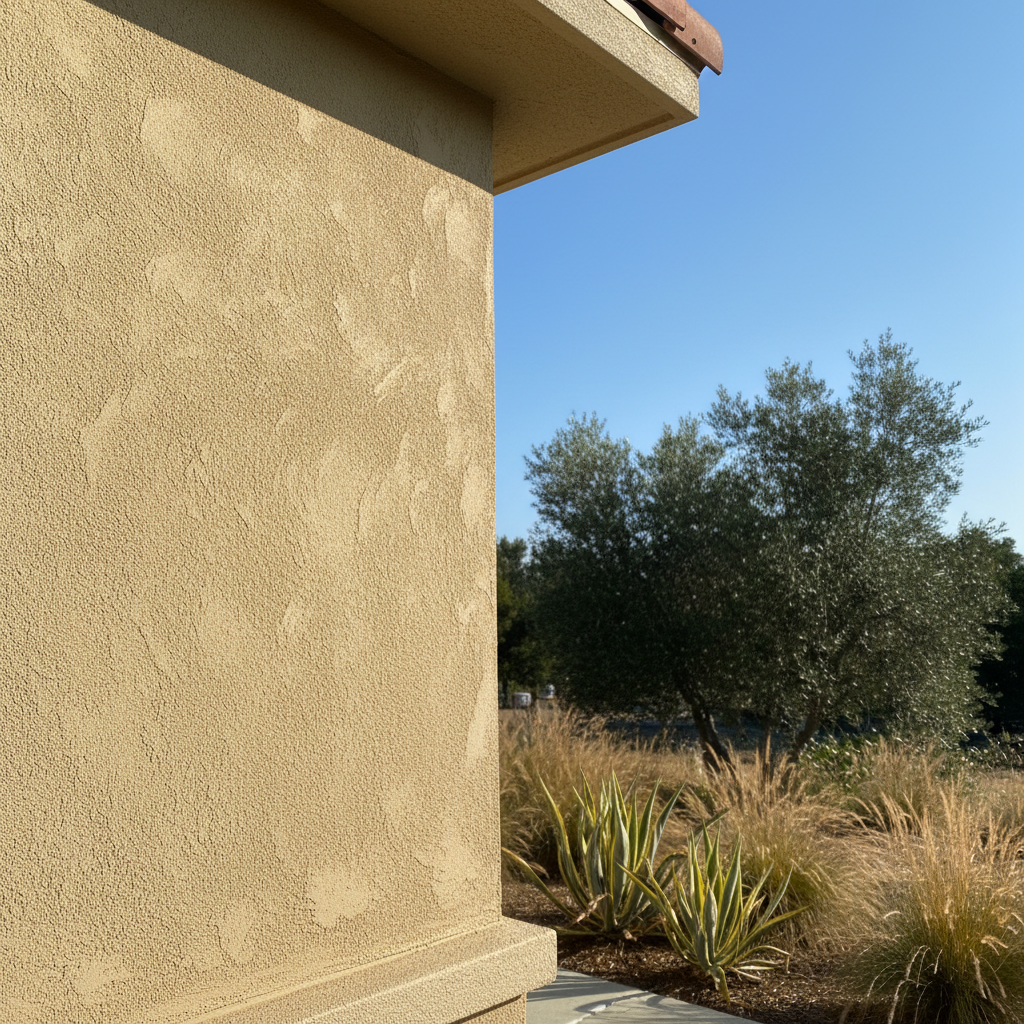
So, you're looking at EIFS for your Santa Clara home, huh? It's a solid choice, no doubt. EIFS, or Exterior Insulation and Finish Systems, is a bit different from traditional stucco, offering some real benefits, especially with our sometimes-chilly mornings and hot afternoons here in the Valley. But before you grab a trowel and a bucket of finish, let's talk about what's involved. Can you DIY it? Maybe. Should you? That's a different question.
What You Need to Know Before You Start
First off, EIFS isn't just a finish coat; it's a system. You're looking at insulation board, a base coat with a reinforcing mesh, and then the finish coat. It's designed to be a continuous layer of insulation on the outside of your home, which can really help with energy bills. That's a big plus around here, especially if you're in an older home in, say, the Birdland neighborhood where some houses weren't built with today's insulation standards.
Before you even think about buying materials, you need to assess your home. Is your existing exterior sound? Any moisture issues? EIFS, when installed correctly, is fantastic at shedding water. But if you've got existing leaks or rot underneath, EIFS isn't going to fix those; it'll just cover them up, potentially making things worse down the road. You'll need to deal with any structural or moisture problems first. This isn't a step you can skip, and honestly, if you're unsure, get a professional inspection.
Permits. Yep, you'll likely need one from the City of Santa Clara for exterior work like this. Don't try to fly under the radar; it'll just cause headaches later. Check with the planning department to understand their requirements for EIFS installation. They'll want to make sure it meets local building codes, especially concerning fire safety and drainage.
During the Installation: DIY or Call a Pro?
Okay, let's get down to brass tacks. What can you realistically do yourself?
- Surface Prep: Cleaning the existing surface, removing loose debris, maybe even some minor patching. That's usually within a capable homeowner's skillset.
- Insulation Board Installation (Maybe): If you're meticulous and good with measurements, you *might* be able to attach the insulation boards. They need to be cut precisely and adhered properly to create that continuous thermal envelope. Gaps mean air leaks, which defeats the purpose.
- Applying the Finish Coat (Tricky): This is where most DIYers hit a wall. The finish coat needs to be applied evenly and consistently to get that beautiful, uniform look. It's an art form, really. If you've ever tried to smooth out drywall mud perfectly, you know what I'm talking about. EIFS finishes can be textured, and getting that texture consistent across a whole wall is tough without experience.
Now, what should you absolutely leave to the pros?
- Moisture Management Details: This is critical. Proper flashing around windows, doors, and at the base of the wall is non-negotiable. If water gets behind the EIFS system and can't drain out, you're looking at serious problems like rot and mold. Pros know the specific details and techniques for creating a watertight system. This is where Santa Clara Stucco & Plastering really shines; we've seen enough water damage to know exactly where things can go wrong.
- Base Coat and Mesh Application: This layer is what gives the EIFS its impact resistance and structural integrity. It needs to be applied to a specific thickness, and the mesh has to be embedded correctly without wrinkles or bubbles. It's not just slapping it on; it's a precise process.
- Large or Complex Projects: If you're doing a whole house, or if your home has lots of architectural details, multiple levels, or tricky corners, don't even think about DIYing the whole thing. The sheer scale and complexity will overwhelm you, and mistakes on a large project are expensive to fix.
- Warranty: A professional installer will offer a warranty on their work. If something goes wrong, you're covered. If you DIY it, you're on the hook for any fixes.
After the Project: Maintenance and Care
Whether you did some of it yourself or hired us, EIFS is pretty low maintenance. You'll want to keep an eye on it for any cracks or damage, especially after a good rainstorm or if you've had some heavy winds. Minor dings can often be patched up with a matching finish coat. Just make sure you're using compatible materials.
Keep your gutters clean to prevent water from constantly sheeting down your walls, and make sure your landscaping isn't allowing water to pool against the foundation. A little bit of regular cleaning with a soft brush and mild detergent can keep it looking fresh. Don't use a high-pressure washer too close, though; you don't want to damage the finish.
Ultimately, EIFS is a fantastic system for energy efficiency and curb appeal. For smaller, simpler repairs or very contained areas, a skilled DIYer might tackle parts of it. But for a full installation, especially one that needs to last for decades and protect your biggest investment, hiring a professional like Santa Clara Stucco & Plastering is almost always the smarter, safer, and ultimately more cost-effective choice. You'll get peace of mind knowing it's done right, and that's worth a lot.